The view from the trailhead has not changed in a thousand years. The queue at the bus stop has. By 9am on a July morning, the path to one of the world's most photographed viewpoints is already threading back through a parking lot that did not exist two decades ago. The villagers are polite. They are also tired.
Sustainable tourism used to be a promise in a marketing brochure. Now it is an operational problem that destinations are solving with code: timed entry, predictive capacity, real-time transit, and pricing that nudges demand away from the moments and places that cannot absorb it. The technology is not replacing nature. It is rationing human attention so nature survives it.
Sustainable tourism is no longer a promise in a brochure. It is an operational problem solved with code.
Capacity as a service
The breakthrough idea is simple: a fragile place has a carrying capacity, and that capacity should be visible, priced, and respected in real time. National parks from the United States to New Zealand have moved from free-for-all entry to timed slots, dynamic pricing by season, and shuttle reservations that replace private cars. The reservation system is the new park gate.
- Dynamic ticketing spreads demand across the day instead of concentrating it at golden hour.
- Ferry and shuttle booking platforms cap vehicle counts before visitors arrive, not after the road is gridlocked.
- Local dashboards show merchants, hoteliers, and emergency services exactly how many people are in the valley at any moment.
The transport that makes it possible
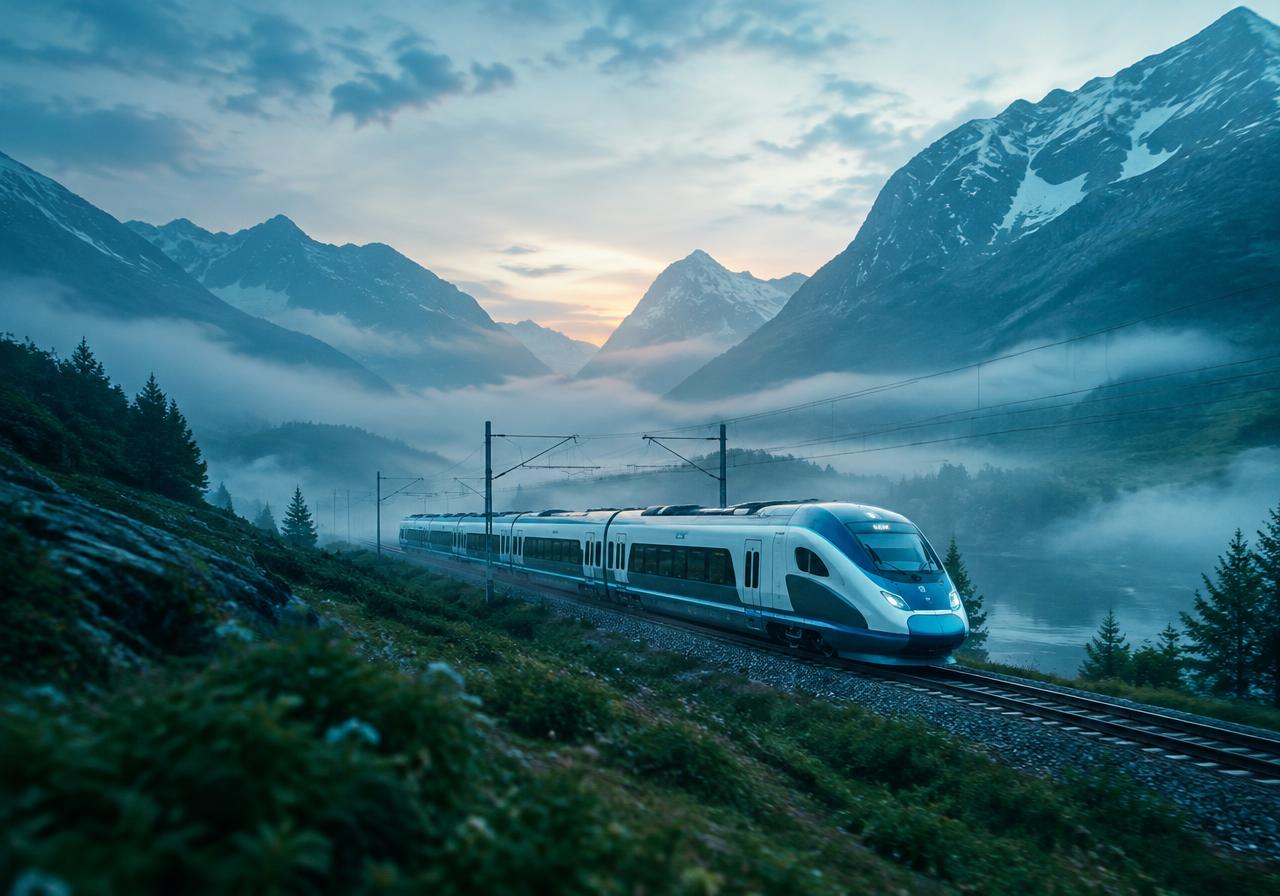
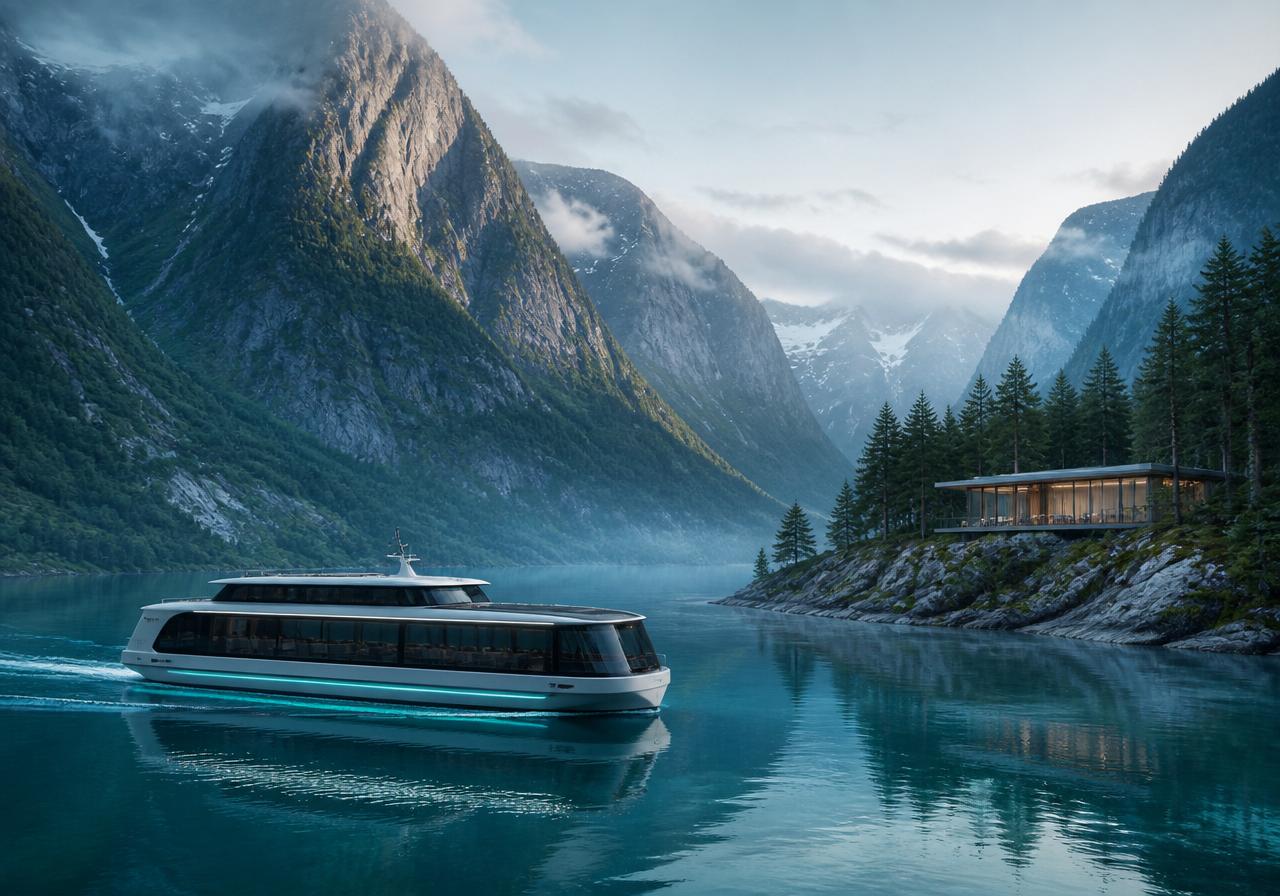
None of this works without clean, frequent, predictable transit. A destination that asks people to leave their cars at home must offer something better than a twice-daily bus. Electric shuttles, e-bike networks, and small electric ferries are becoming the connective tissue of sustainable tourism — quiet enough not to disturb the thing people came to see, and smart enough to reroute around congestion before it forms.
The real advantage is data. When the shuttle fleet knows how many people are booked into the park, it can adjust frequency before the platform fills. When the bike-share network knows a cruise ship is docking, it can pre-position bikes at the pier. The infrastructure becomes responsive, not reactive.
Local economics, not just environmental limits
Sustainable tourism is not only about keeping crowds small. It is about keeping the economics local. Platforms that connect travelers directly with guides, farms, and guesthouses keep a larger share of each dollar in the community. The software that manages capacity can also manage provenance — verifying that a carbon offset funds a real local project, or that a handicraft came from a verified artisan.
The goal is not fewer travelers. It is travelers who leave the place better than they found it.
What travelers will notice by 2027
- More destinations will require advance reservations, even for free public spaces.
- Mobile passes will bundle transit, entry, and local experiences into one itinerary-aware ticket.
- Carbon budgets will be displayed alongside price, letting travelers compare trips by impact as easily as by cost.
- The best destinations will market shoulder season and secondary sites as aggressively as they once marketed the single famous viewpoint.
The software will not save a place by itself. Stewardship still requires enforcement, community consent, and political will. But for the first time, destination managers have a real-time picture of the pressures they are managing. That picture is the difference between guessing and governing. And for travelers, it is the difference between being a guest and being part of the problem.
About Sophia Goehner
Sophia writes about the collision of tourism, technology, and place. Based in Ithaca, New York.